• The map shows two categories of renewable petrol fuels. Marked in red: bio-naphtha and biomethanol-based reFuels, which are blended with E10. And marked in blue: E20 fuels (ethanol).
  • Unlike HVO diesel, you should pay closer attention to the approval status when using petrol. This is due to the E10 to E20 blend content.
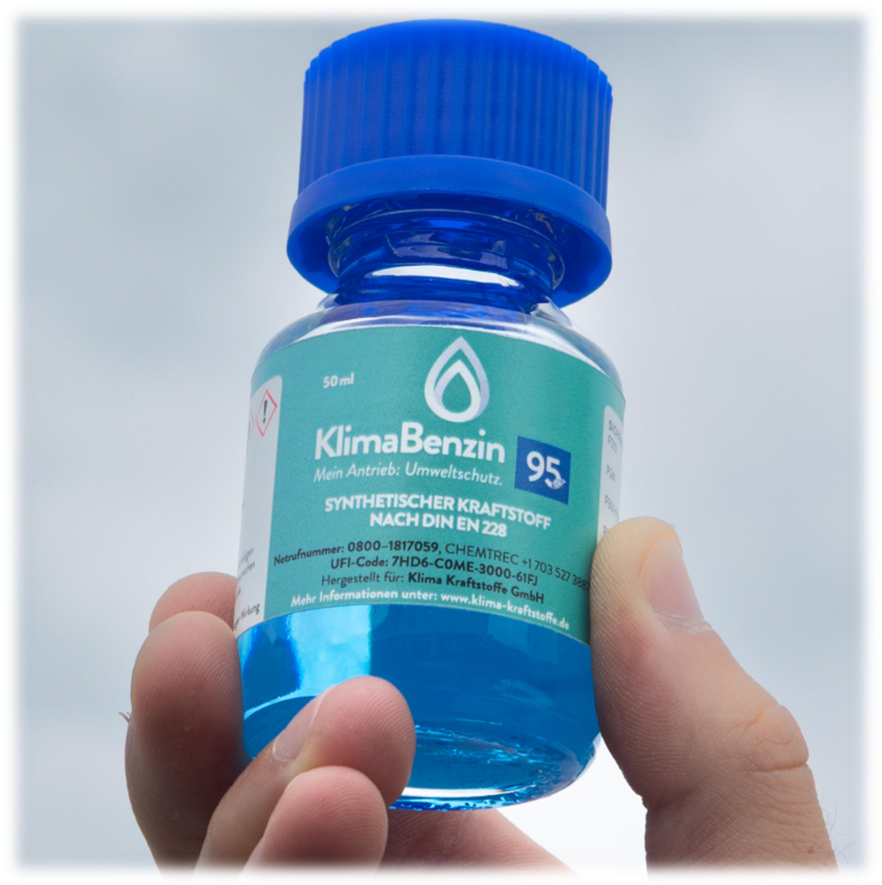
  • Bionaphta and biomethanol-based fuels contain E10 and comply with DIN EN 228 (95 octane). All petrol-powered vehicles can use this fuel.
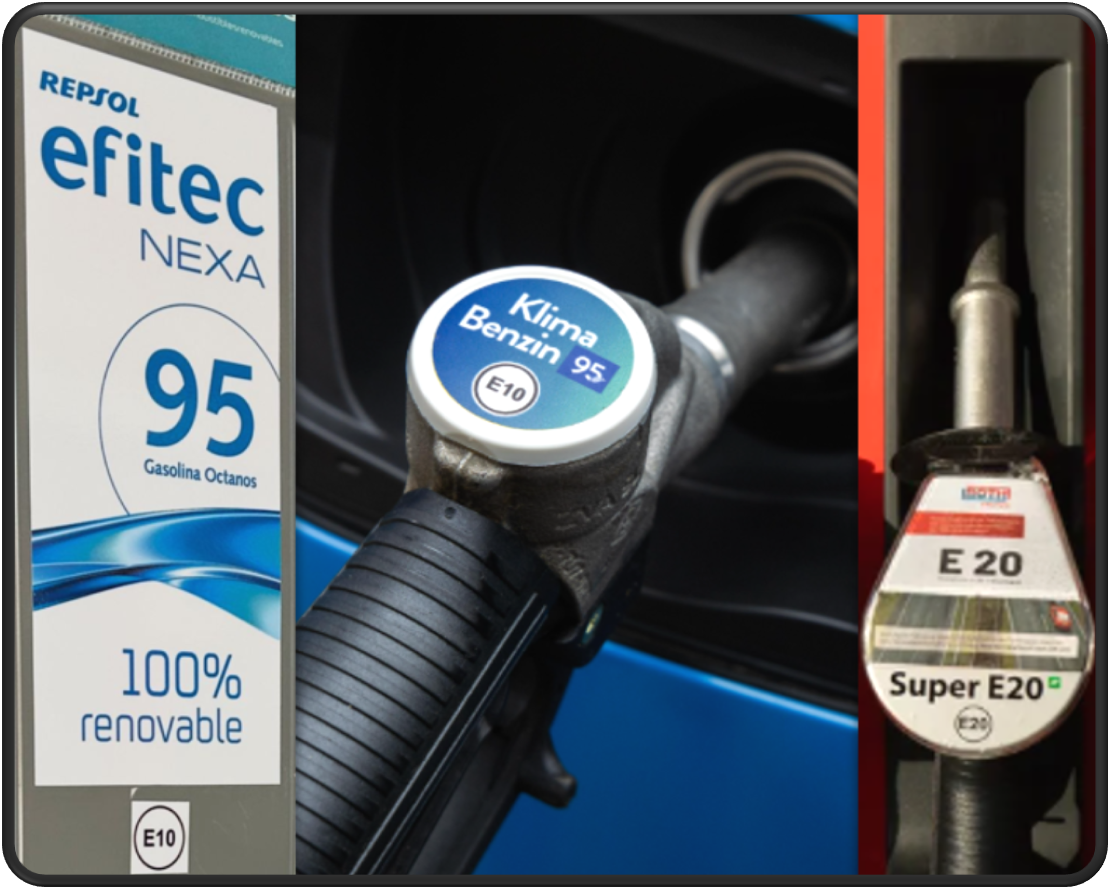
  • Super E20 fuel complies with the DIN CEN/TS 18227 standard (99 octane). Most petrol-powered vehicles manufactured from 2015 onwards can use this fuel. Please check the manufacturer’s approval.
  • In medium to long term, the market for renewable petrol will be covered mainly by e-fuels (PtL). In regions with much sun and wind, e-fuel can be produced on an unlimited scale. At present, no e-fuel is available, as the political framework prevents this.
  • Product overview in the table
Company /countryproduct nametechnical descriptionCO2 reductionfuel standardprice
(Eu/L)
ROTH (D)Super E20up to 20% ethanol blend, octane rating: 99 RONapp. 20%DIN CEN/TS 182271,70 – 1,95
Klima Kraftstoffe/
Classic D)
KlimaBenzin95E10 + reFuel –
refuel made from green bio-based methanol
(95% regenerative) ROZ95
up to 90%DIN EN 228 (gasoline E10)2,20
Repsol (ES)Efitec 95 Nexa
100% Renovable
E10 + Bioabfallbasierte Zumischung (100 % regenerative) ROZ95app 70%DIN EN 228 (gasoline E10)1,60 – 1,95
Launch of climate control gasoline 95 at Classic Oil in Lower Saxony (Germany)
Launch of the new Repsol Nexa 95 in Spain